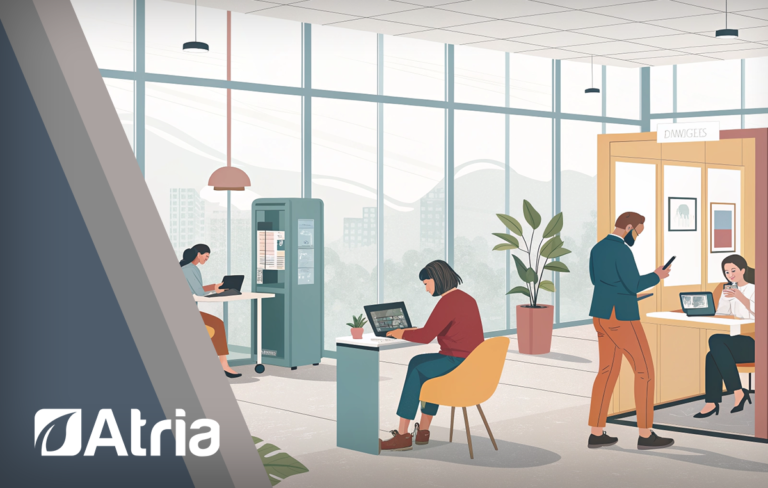
As the business landscape evolves in 2025, employers are facing significant pressures related to Return to Office (RTO) mandates, especially from larger companies enforcing rigid work models. However, smaller and mid-market businesses are finding new strength in offering flexible work arrangements, giving them an edge in talent attraction and retention. The shift toward flexibility isn’t just a trend—it’s becoming a strategic necessity.
The Growing Shift Towards Hybrid Work
The past few years have reshaped how employees think about work, with many prioritizing flexibility, autonomy, and the ability to balance personal and professional lives. In fact, over 50% of workers have expressed that they would leave their current job if required to return to the office full-time. As a result, many businesses are recognizing that hybrid and flexible work arrangements are essential for maintaining a competitive workforce in a tight labor market. For small and mid-sized businesses, the ability to offer these options often leads to stronger employee engagement and increased productivity, making it a valuable tool for attracting and retaining top talent.
Rising Tension in Big Corporations
While large companies have been pushing employees back into the office with policies such as 3-day office mandates, smaller businesses are finding themselves in an advantageous position. These smaller employers can adapt more quickly to employee needs and demands, offering flexible hours, remote work options, or hybrid setups that cater to the growing desire for work-life balance. Notably, companies such as those in the tech and creative sectors have thrived under flexible arrangements, demonstrating that productivity doesn’t have to be tied to physical presence.
Competitive Advantage for Small Businesses
Small businesses, especially those with 100-2,000 employees, are uniquely positioned to leverage flexibility as a competitive advantage. Unlike large corporations, they can quickly adapt to the demands of a changing workforce. For instance:
- Attraction of Top Talent: Candidates are increasingly seeking employers who understand the importance of flexibility. By offering remote and hybrid options, small businesses can appeal to a broader range of job seekers, particularly those who may have childcare or eldercare responsibilities.
- Retention and Engagement: Flexible work policies have been linked to greater job satisfaction and employee engagement. In turn, businesses that offer this flexibility tend to see lower turnover rates and higher levels of employee morale, which significantly impact overall productivity.
- Cost Savings and Operational Efficiency: Small businesses that implement flexible work models often reduce overhead costs associated with office space and utilities. Additionally, employees working remotely are often more productive due to fewer distractions, and employers benefit from streamlined communications through digital platforms.

Adapting to Employee Needs
It’s no longer just about offering the ability to work from home a few days a week. Employees are looking for employers that are genuinely flexible, offering:
- Flexible Hours: Allowing employees to set their schedules—whether that’s starting earlier or working later—can help balance personal responsibilities and work.
- Job Sharing and Part-Time Opportunities: Offering part-time roles or job-sharing arrangements can be a great way to accommodate employees who need to work less than full-time but still contribute meaningfully to the business.
- Results-Oriented Work Environment (ROWE): A more advanced model is shifting focus from hours worked to results produced. This shift allows employees to work when and where they are most productive, contributing to a culture of trust and performance rather than micromanagement.
What Employers Can Do Now
For leadership teams, embracing flexibility means rethinking not just work schedules, but also communication, accountability, and trust. Here’s how small businesses can begin to implement this shift:
- Revise Policies to Support Flexibility: Update employee handbooks to reflect flexible work options and remote guidelines. Clearly define what “flexible work” means for your company, whether it’s hybrid work or flexible hours.
- Utilize Technology to Stay Connected: Invest in digital tools that support collaboration and productivity, such as video conferencing software, project management platforms, and communication tools like Slack or Microsoft Teams.
- Focus on Employee Wellbeing: Prioritize mental health, offer wellness programs, and consider employee assistance programs (EAPs) to provide additional support during times of stress or burnout.
- Encourage Feedback: Continually engage employees to understand what they need in terms of flexibility. Implement surveys or one-on-one meetings to gather insights and make necessary adjustments.
The Future of Work Is Flexible
Ultimately, small businesses have a significant opportunity to build a competitive advantage by offering flexible work options. As employees seek work environments that value their well-being and allow them to thrive, companies that are quick to adapt will attract and retain the best talent. Leaders should see flexibility not as a trend, but as a permanent shift in the way work is done, ensuring their businesses stay ahead in an evolving world.
Atria’s Role in Supporting Flexibility
At Atria, we are committed to supporting employers with the tools and strategies necessary to navigate this changing landscape. From benefits consulting to HR strategy advice, we help businesses develop the structures needed to remain competitive while fostering an environment of flexibility and productivity.
Need help creating flexible work policies for your team? Contact Atria for tailored guidance on developing effective and sustainable work arrangements.
This article is for informational purposes only and should not be considered legal or tax advice.