
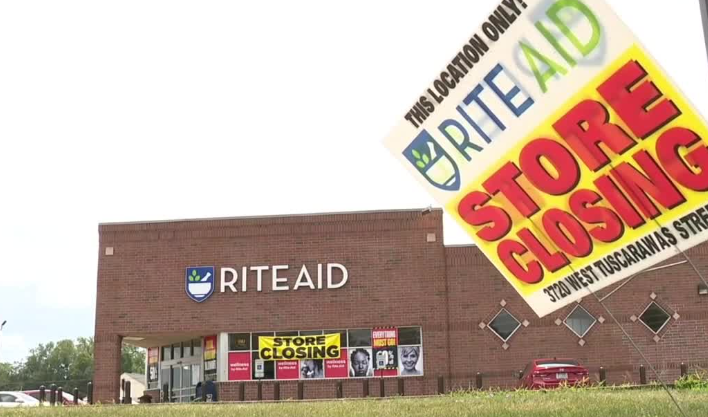
Rite Aid’s second Chapter 11 bankruptcy in two years is reshaping the retail pharmacy landscape. With more than half of its ~1,240 remaining stores set to close or be sold during 2025, this is not just a headline—it’s a development with immediate operational and strategic implications for employers in affected states.
The Current Situation
After years of financial strain, competitive pressure, and litigation costs, Rite Aid is accelerating store closures in waves. Prescription files and select locations are being absorbed by competitors (primarily CVS and Walgreens, plus regional grocers and independents). The net effect: fewer Rite Aid-branded options and tighter local pharmacy density in certain ZIP codes.
Where Closures Are Concentrated
Rite Aid’s footprint is now concentrated in 12 states: California, Pennsylvania, New York, New Jersey, Connecticut, Delaware, Maryland, Massachusetts, New Hampshire, Oregon, Washington, and Idaho. California and Pennsylvania are seeing the most closures in absolute terms, but all 12 states are affected to varying degrees.
Why It Matters to Employers
Employee access risks: While most active prescriptions from closing stores will auto-transfer to a nearby in-network pharmacy, employees who prefer a different pharmacy must act quickly. Waiting until after a store closes can require a new prescription from the provider—an avoidable delay for those on maintenance meds.
Geographic gaps: Urban markets typically retain multiple alternatives. Some suburban and rural communities could face longer drive times, reduced late-hour coverage, or the loss of a local pharmacy—making mail-order delivery more valuable.
PBM and Network Considerations
If your plan design or PBM arrangement favored Rite Aid (e.g., preferred tier or pricing differentials), confirm that updated guidance is live in member portals and mobile apps. Ensure comparable alternatives remain visible to employees in affected ZIPs and that pharmacy locator tools are current.
Immediate Action Steps for Employers
- Communicate early: Notify employees in the 12 affected states. Explain the auto-transfer process and how to choose a different pharmacy if desired.
- Promote proactive transfers: Encourage employees to move prescriptions before a local store closes to avoid refill gaps and new-RX requests.
- Share tools and resources: Link your plan’s pharmacy locator and Rx price-check tools so employees can find convenient in-network options and compare costs.
- Highlight home delivery: Reinforce mail-order or digital pharmacy options (often with 90-day supplies for maintenance meds) to ensure continuity where retail access tightens.
- Set expectations: Remind employees that prior authorization, step therapy, and quantity limits follow the drug—not the store—so switching pharmacies doesn’t reset clinical criteria.
Operational Watchouts
- Refill timing: Members who wait until after closure may face delays. Provide simple “how to transfer” steps in your notice (call the new pharmacy with the RX number; they handle the rest).
- Specialty & cold-chain: Confirm specialty fulfillment pathways and any PBM-preferred channels to avoid delivery missteps.
- Access mapping: Review pharmacy access around worksites and remote clusters; flag potential pharmacy deserts and pre-position mail-order communications for potentially affected employee geographies.
Strategic Takeaways for Benefits Leaders
- Market consolidation: With fewer retail competitors in some markets, ensure your plan doesn’t rely on a single brand for value tiering. Maintain multiple preferred options plus mail-order to preserve leverage and choice.
- Network adequacy: Periodically review network maps and access standards with your PBM. In smaller markets, validate that at least one in-network pharmacy remains within a reasonable distance.
- Member education: Use this moment to reinforce cost-savvy behaviors—stick to in-network pharmacies, consider generics where appropriate, and use price tools before filling.
Atria’s Advisory Role
- Map pharmacy access and identify at-risk ZIP codes before disruptions hit.
- Pressure-test PBM terms for pricing integrity and clear member guidance when local options shift.
- Draft employee notices and quick-hit FAQs to prevent refill gaps and reduce HR help-desk volume.
- Drive mail-order adoption campaigns for maintenance medications in impacted areas.
Bottom line: Rite Aid’s bankruptcy is manageable with a proactive playbook. Move now—before closures hit your ZIP codes—to protect uninterrupted medication access and signal steady, value-driven leadership.
This article is for informational purposes only and should not be considered legal or tax advice.