
When you hand a new hire their benefits guide or onboarding packet, what message are you really sending? Far more than a compliance formality, onboarding materials speak volumes about your company’s culture, clarity of communication, and even your approach to risk management. Done right, they reinforce trust, understanding, and engagement from day one. Done poorly, they can sow confusion and erode the very culture you’re trying to build. For middle-market employers, HR directors, and tribal enterprise leaders alike, the goal should be to “build once, break never” – invest the effort to create great onboarding materials one time, so they never break trust or clarity in the future.
Onboarding Materials: A Mirror of Culture and Strategy
Onboarding documents are often the first substantive impression of your workplace culture and values. Is your new employee handbook warm and welcoming or a cold wall of legalese? Does your benefits enrollment guide celebrate the programs you offer, or simply list insurance options in tiny print? If you value transparency and community, your onboarding materials should reflect that. A polished, reader-friendly packet signals that you care about communication and attention to detail. Conversely, disorganized or overly generic materials send a subtle message that employee communication is not a priority. In high-trust environments – for example, a tribal government or enterprise where community and culture run deep – inauthentic or boilerplate onboarding content can be especially jarring. New team members quickly sense whether the materials were crafted with their identity and needs in mind, or whether it’s a one-size-fits-all template. In short, your onboarding content is a mirror: it reflects your organization’s true commitment to culture, clarity and strategy.
Reinforcing Culture (or Eroding It) From Day One
No matter how strong your benefits and values are, they won’t “speak for themselves” – communication gives them voice. The way you present, package, and promote information to new hires defines how they perceive its value. Great onboarding materials reinforce culture by using a tone and style that align with your mission. For example, a family-oriented company might include personal welcomes and stories in their guides, while a tech startup might favor a playful, concise tone. Such alignment between words, design, and culture makes new hires feel “This place is exactly what I expected.” On the other hand, unclear or outdated onboarding guides can undermine trust. Imagine proclaiming a culture of innovation and inclusion, but giving new employees a dull packet last updated in 2023 – the inconsistency will be noticed. Particularly in tight-knit or high-trust cultures, any disconnect can feel like a breach of honesty. Employees might start day one thinking: if the company can’t get its own handbook right, what else might be broken? Reinforcing culture isn’t just about slogans on the wall; it starts with the tangible materials you give every new hire.
Onboarding as Risk Management: Your “Risk IQ” on Display
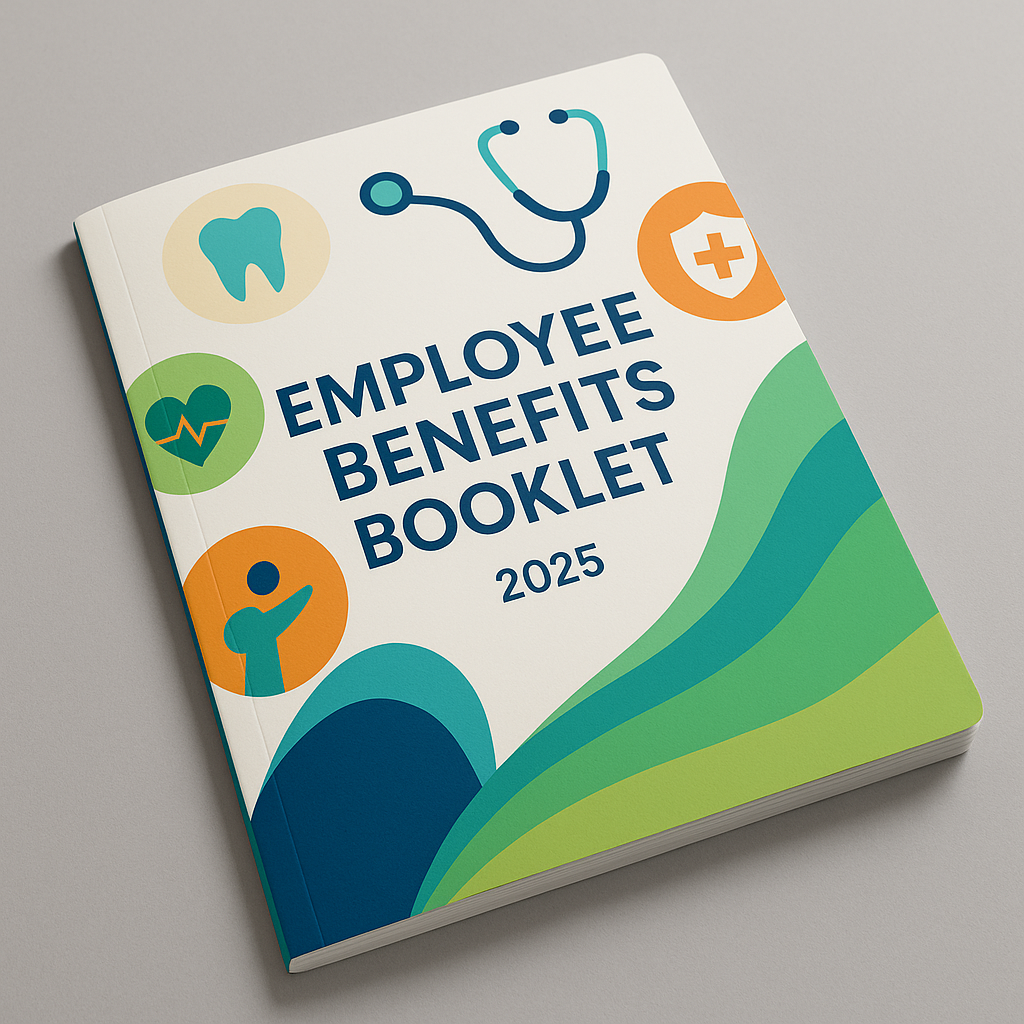 Onboarding isn’t just an HR exercise – it’s an early test of your organization’s risk intelligence. Compliance requirements, safety protocols, data security policies – all of these crucial topics are often introduced in onboarding. A company with a high “Risk IQ” uses onboarding materials to clearly communicate policies and expectations, reducing the chance of costly mistakes or misunderstandings later. For instance, if your industry has emerging regulatory changes, a high-risk-IQ employer will update the onboarding content proactively, ensuring every new hire is up to speed. If the materials are sloppy or out-of-date, it signals a lax attitude toward compliance and risk management. Consider high-turnover roles or sectors (hospitality, retail, or seasonal staff common in many enterprises): when new employees cycle through quickly, the risk of errors, accidents, or compliance gaps rises. In these cases, concise and up-to-date onboarding guides are a frontline risk control. They make sure even short-term or entry-level staff know the critical dos and don’ts. Whether it’s understanding how to handle confidential information or knowing their safety training, well-crafted onboarding content helps avoid the “I didn’t know” excuses that can lead to liability. In short, your onboarding process puts your risk management strategy on display – it shows whether you treat employee understanding as a must-have or an afterthought.
What Great Onboarding Communications Look Like
What distinguishes highly effective onboarding materials from mediocre ones? Below are key traits that make a real difference in how well new hires absorb and appreciate the information:
- Clarity: The content is written in plain language with minimal jargon, and instructions or benefits details are easy to understand. Clear visuals (charts, infographics, call-out boxes) guide the reader. New hires shouldn’t need a decoder to figure out their healthcare options or 401(k) enrollment steps.
- Beauty and Design: Aesthetics matter. Attractive, professional design – with readable fonts, white space, and maybe a touch of your brand’s personality – keeps employees engaged. Beautifully designed materials signal that you invest in quality. It’s not about art for art’s sake; it’s about making information digestible and pleasing, so employees actually read it.
- Tone Alignment: The voice of the content matches your culture. If your organization is formal and traditional, the text can be polite and thorough. If you’re a mission-driven tribal enterprise, the materials might honor cultural elements and community values. Humor, warmth, or straight-to-business – whatever your tone, it should feel consistent. Alignment builds trust that the company “walks the talk.”
- Compliance Integrity: Facts are correct and up-to-date, and the materials cover all required policies (from legal notices to internal procedures) accurately. Great onboarding communications are vetted by compliance or legal teams **before** they reach employees. This integrity not only avoids future legal risks but also gives employees confidence that “the left hand knows what the right hand is doing.”
- Modular Design: The information is organized into sections or modules that can stand alone. This makes it easy for an employee to find answers later without wading through a 50-page tome. For example, a benefits guide might be broken into modules on health, retirement, and wellness perks. Modular content is also easier to update incrementally – you can replace one section when policies change, without overhauling the entire book.
- Year-Round Usability: The best onboarding materials don’t live in a drawer after week one. They’re designed as reference tools employees will revisit throughout the year. A new hire might use the same guide during open enrollment season to review their benefits, or check the PTO policy three months in. Effective onboarding content often doubles as an ongoing resource – possibly supplemented by digital access – ensuring that important information is always at employees’ fingertips.
The Danger of Outdated or Generic Guides
We’ve hinted at it throughout, but it bears repeating: outdated or cookie-cutter onboarding guides carry serious risks. For one, outdated information can lead to real errors. If your 2025/2026 guide still lists an old copay amount or omits a new state regulation, employees could make decisions on bad information, leading to frustration or even compliance violations. It’s not just facts and figures – culture can be “outdated” too. Using language or examples that don’t reflect today’s norms (or your current values) can alienate new hires. Now consider generic, off-the-shelf onboarding booklets that some organizations use to save time. They might cover basics, but they miss the nuance of your unique culture. Employees can tell when content is boilerplate. In a high-trust context like a tribal enterprise, a generic guide (with stock photos and corporate buzzwords) may come across as disrespectful or tone-deaf, as if leadership couldn’t be bothered to personalize it for their community. In high-turnover roles, outdated and generic materials also hurt operational efficiency. Each new wave of hires might ask the same questions that the guide failed to answer clearly, consuming managers’ time and causing avoidable mistakes. Worst case, a perplexing or error-ridden onboarding experience could drive good people away quickly – the very outcome you’re trying to prevent by hiring and onboarding in the first place. In short, clinging to stale or impersonal materials is a liability. It’s like trying to build a sturdy house on a cracked foundation; sooner or later, there’s a collapse.
How Atria Supports a “Build Once” Onboarding Strategy
Developing high-caliber onboarding communications may sound like a heavy lift, but you don’t have to go it alone. Atria’s consulting approach is rooted in the idea that you can create something durable – build it once – and then maintain it with minimal “breaks.” We partner with employers to audit and elevate their onboarding strategy in several ways. First, we help assess your current materials for clarity, tone, and compliance. Often, we uncover gaps – for example, a benefits summary that employees find confusing, or a policy section that’s missing recent legal updates – and provide a roadmap to fix them. Next, Atria works with your team to infuse cultural alignment into the content. For tribal organizations, that might mean incorporating native language greetings, cultural symbols, or community-specific FAQs into the onboarding packet, making it truly yours. For a growing mid-market company, it might mean weaving in your origin story or mission so new hires see the bigger picture from day one.
Beyond content creation, Atria emphasizes **modular and ongoing** communication. We help design onboarding packages that include quick-start guides for day one, deeper-reference materials for week two and beyond, and digital resources that employees can access anytime. This modular design ensures your onboarding content remains useful year-round and can be efficiently updated. When a policy changes or a new benefit is added, Atria helps clients update the relevant module or announcement – without scrambling to redo everything. We also advise on delivery: a beautifully written guide has more impact when it’s introduced by managers in a consistent way, or paired with an interactive orientation session. Our holistic support means the strategy and the materials go hand in hand.
Critically, Atria’s guidance keeps risk management in focus throughout. We know that a lapse in communication can become a liability down the road. By tightening up your onboarding documents now, we help you prevent compliance issues, safety incidents, or misunderstandings later. Think of it as insurance for your employee relationships: a clear, culturally tuned onboarding experience that pays dividends in trust, engagement, and peace of mind. And because we understand the high-turnover challenge, we craft solutions that are both high-touch and scalable – ensuring even if you onboard 100 employees a month, each one receives the same clarity and care in the process.
Bottom Line: Great onboarding materials are an investment that reinforces your culture, amplifies the value of your benefits, and strengthens your risk management posture. By building communications that are clear, beautiful, aligned, and up-to-date, you set the stage for success – and you only have to do it once. After that, it’s about thoughtful maintenance. In contrast, cutting corners on onboarding is a “pay later” proposition: you might save time upfront, but you risk broken trust, confusion, and costly compliance mistakes down the road. Build it right, and you won’t have to watch it break.
This article is for informational purposes only and should not be considered legal or tax advice.